Hurricane Preparedness: Complete 7-Day Family Plan
Introduction: Your 7-Day Hurricane Preparedness Plan
Hurricane preparedness starts before the forecast turns urgent. If you want to know how to prepare for a hurricane, this 7 day hurricane preparedness plan gives you a clear path to follow.
You will use one focused task each day to build a practical family emergency plan, protect your home, and get ready to leave fast if officials call for evacuation. This plan works whether a storm is already forming or you are preparing before hurricane season starts.
- Assess your risk and build your family plan.
- Map your evacuation route and backup route.
- Stock water, food, medicines, and emergency supplies.
- Secure your home for wind and flooding.
- Organize documents, cash, and communication backups.
- Practice the plan so everyone knows their role.
- Check a final 24-hour list before the storm arrives.
Early action cuts panic and gives you better choices. You can board windows, fuel your car, refill prescriptions, and leave sooner instead of rushing with everyone else.
Pro tip: Start this plan 7 days before possible landfall when you can. Even 2 to 3 days of early prep can improve safety, reduce property damage, and make evacuation much smoother for your household.
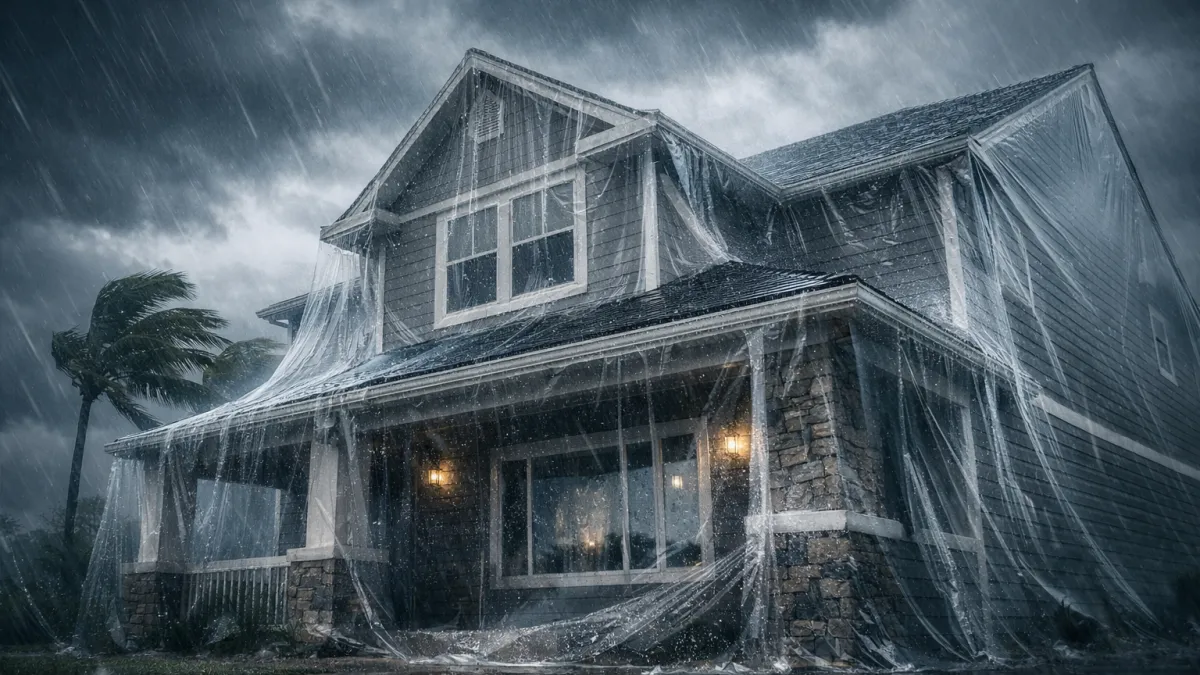
A clear storm shield over a home symbolizes hurricane preparedness before the worst weather hits.
What You’ll Need Before You Start
Start with a simple hurricane checklist so you can move through each step without stopping to hunt for basics. Gather your phone, notebook, chargers, a printer, labeled storage bins, and reliable access to local weather alerts.
Collect the key records first. You will need:
- insurance policies
- photo IDs
- medical information and prescriptions
- household account details
- printed emergency contacts
Next, pull together core emergency supplies and evacuation tools. Keep water, food, flashlights, batteries, cash, maps, and your hurricane emergency kit checklist in one easy-to-carry spot.
If you own your home, you may need shutters, plywood, or sandbags. If you rent, focus more on documents, valuables, and landlord instructions.
Pro tip: Save alerts from your county emergency office and local weather app now.
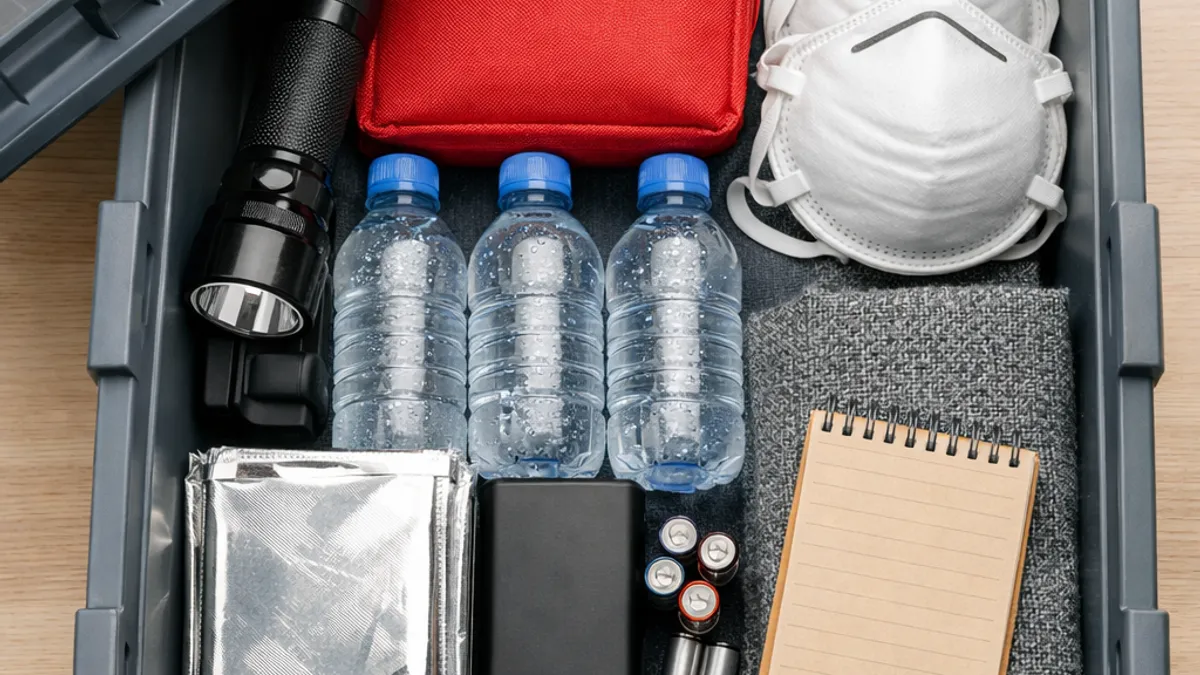 Start with a simple, organized kit so you can move through hurricane preparedness steps quickly.
Step 1: Assess Your Risk and Build Your Family Hurricane Emergency Plan
Check your address against local flood maps, evacuation zones, and wind risk maps first. This step shapes your hurricane emergency plan because storm surge, inland flooding, and high winds create different dangers.
- Look up your county emergency management map.
- Search FEMA flood zones and local evacuation zones.
- Note whether your home faces storm surge, river flooding, or winds above 74 mph.
You should now see your main risk clearly and know whether staying or leaving will likely be safer.
Assign one job to each person in your home. A strong family hurricane preparedness plan works better when everyone knows who handles kids, pets, older adults, medications, and critical documents.
- Choose one adult for children.
- Choose one person for pets and carriers.
- Choose one person for prescriptions, IDs, insurance papers, and cash.
You should now have clear roles, which cuts confusion during fast-moving disaster preparedness decisions.
Pro tip: Write each role on paper and save a photo on every phone.
Create a simple communication plan with emergency contacts and two meeting spots. Pick one nearby location, like a neighbor’s porch, and one outside your area, like a relative’s home 10 to 20 miles away.
You should now have a backup way to reconnect if cell service fails.
Choose trusted update sources before the storm. Sign up for local weather alerts, add a NOAA weather app or radio, and follow county emergency management channels.
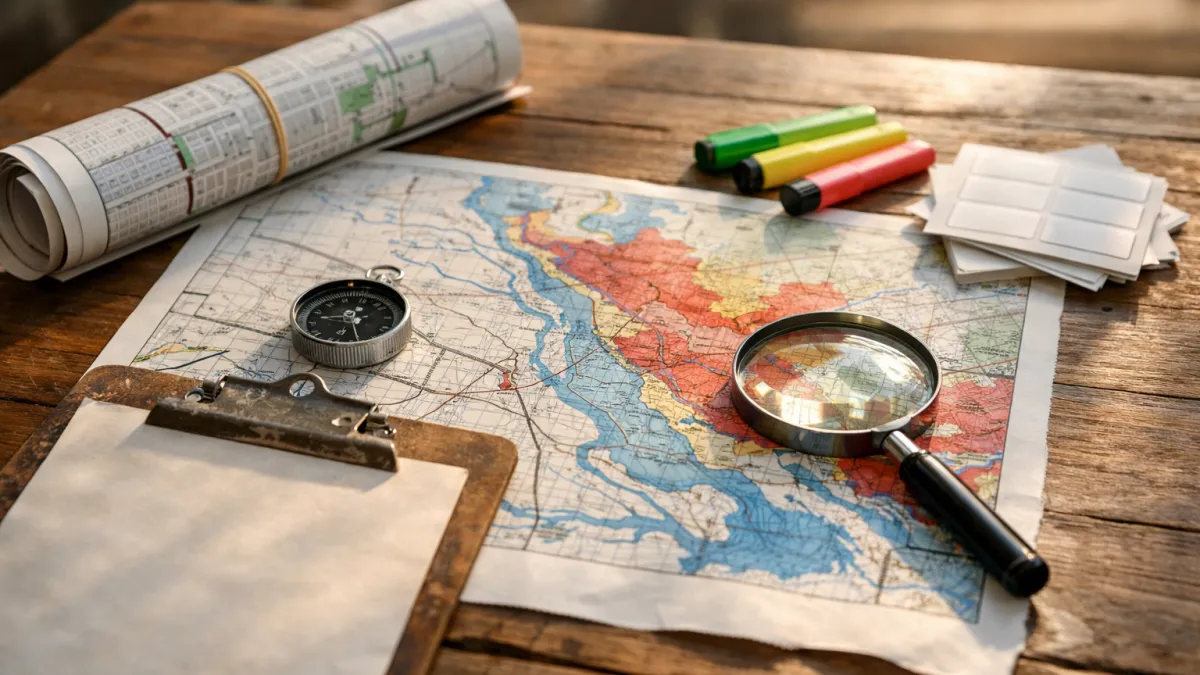 Use local maps and tools to shape your family hurricane emergency plan before decisions become urgent.
Step 2: Make Your Hurricane Evacuation Plan and Route
Map your hurricane evacuation plan before roads clog or flood. A clear plan answers what to do before a hurricane hits and gives your family emergency plan a safe way out.
- Mark your primary evacuation route to higher ground or inland shelter.
- Mark a second route in case bridges close, traffic stalls, or water covers the road.
- Save both routes in your phone and print them.
You should now have at least two routes with major turns, fuel stops, and travel times.
Pro tip: Avoid roads that flood often, even if they look faster on a map. A longer dry route is safer than a short flooded one.
Decide when you will leave. Do not wait until conditions worsen, because tropical storm winds can arrive 12 to 24 hours before the center makes landfall.
- Leave immediately if local officials issue an evacuation order.
- Leave early during a hurricane watch if your zone floods easily or someone in your home needs extra time.
- Leave no later than a hurricane warning if you still plan to travel.
You should now know your trigger to go.
Plan transportation for every person and pet in your home. If you need how to make a hurricane evacuation plan simple, assign one vehicle, one backup driver, pet carriers, medications, and mobility equipment now.
Choose where you will go before the storm shifts. Save two shelter options, one hotel, and one friend or relative’s address outside the storm zone offline.
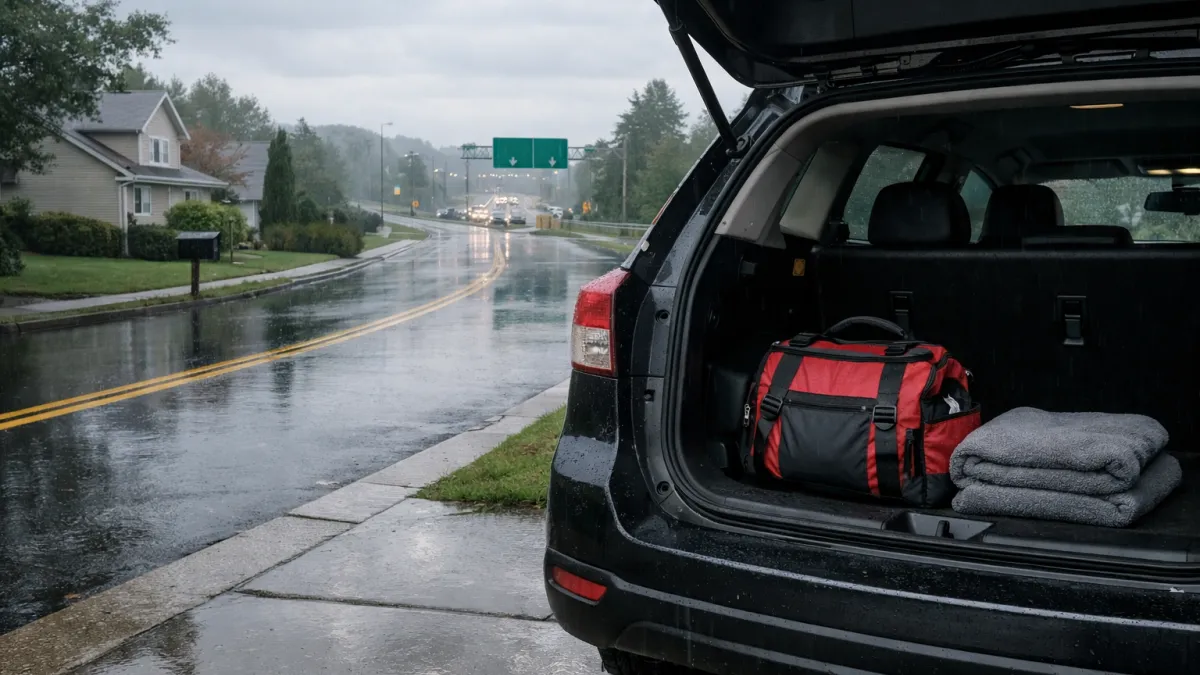 Plan your hurricane evacuation route early so you’re not improvising when roads get crowded.
Step 3: Stock the Hurricane Emergency Kit and Supplies
Gather your emergency supplies for at least 3 to 7 days. Your hurricane emergency kit checklist should cover what you need to stay safe at home and what you may need to grab fast.
- Pack 1 gallon of water per person per day.
- Add nonperishable food for each person for 3 to 7 days.
- Include prescription medications, first aid items, flashlights, and extra batteries.
This matters because stores often close early, roads flood, and power can stay out for days. You should now have the core of your emergency kit ready in one place.
Add your power outage supplies next. Hurricanes often leave homes without electricity, cell service, or working card readers.
- Pack phone chargers, including car chargers and portable battery packs.
- Include a battery-powered or hand-crank radio for weather alerts.
- Set aside cash in small bills, since many stores cannot process cards.
Pro tip: Test every flashlight, charger, and radio before storm week. Dead batteries ruin a good plan fast.
You should now have backup light, power, and information covered.
Include the personal items your household cannot go without. A smart hurricane checklist goes beyond canned food and water.
- Pack pet food, leashes, carriers, and vaccination records.
- Add baby formula, diapers, wipes, and bottles if needed.
- Include hygiene products and copies of important documents in waterproof storage.
Tailor one bag or bin for each family member. Label each kit clearly so evacuation takes minutes, not hours.
Pro tip: Keep daily-use items on a last-minute add list, such as glasses, hearing aids, and chargers.
You should now have grab-and-go kits your family can carry.
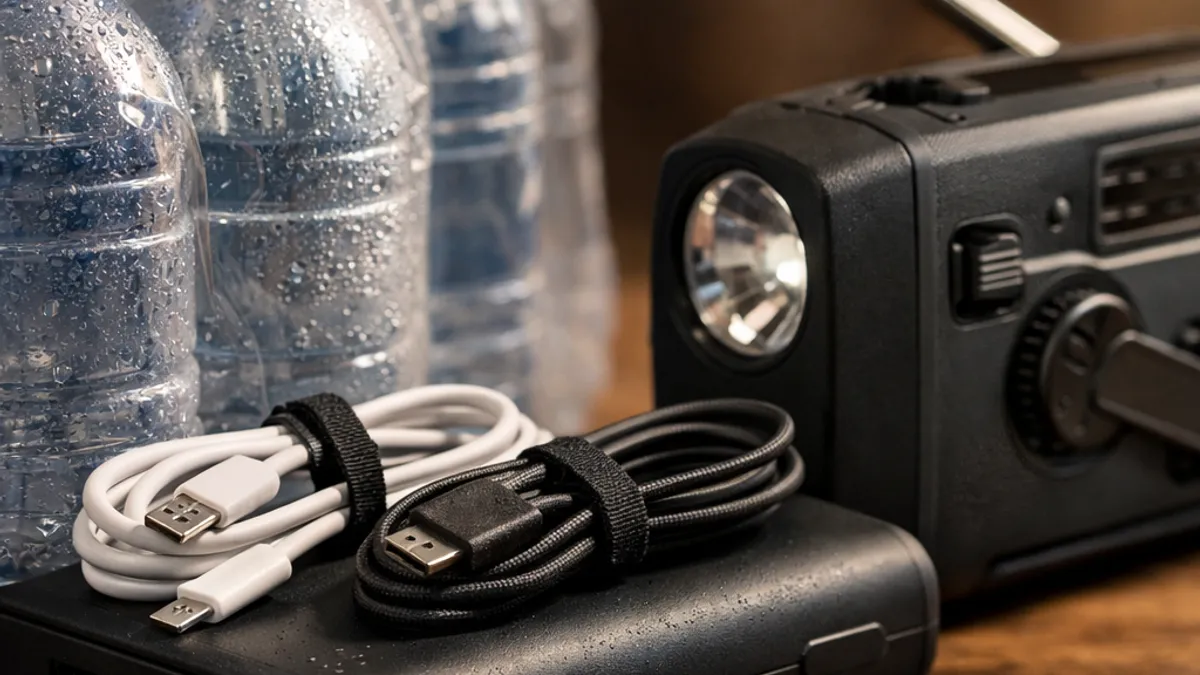 Stock enough supplies for 3 to 7 days so your hurricane emergency kit can sustain your family.
Step 4: Prepare Your Home for Hurricane Conditions
Secure anything outside that wind can throw. This is a core part of how to prepare your home for a hurricane, because patio chairs, grills, potted plants, and tools can break windows fast.
- Bring in furniture, umbrellas, toys, and garden decor.
- Move grills and propane tanks into a garage or tied-down storage area.
- Store ladders, trash cans, and loose tools indoors.
You should now see a yard with no loose items that can turn into projectiles.
Protect your openings with solid window protection. Cover windows with storm shutters or 5/8-inch exterior-grade plywood cut to fit each opening, and reinforce garage and entry doors.
- Install shutters according to the manufacturer’s instructions.
- Label each plywood panel by window location for faster setup.
- Check door hinges, deadbolts, and weather seals.
Pro tip: Test hardware before storm season. Missing anchors or stripped screws slow your storm preparation when time gets tight.
You should now have covered windows and stronger doors.
Clear gutters, downspouts, storm drains, and yard debris so water can move away from your house. Good home hurricane prep lowers the chance of roof leaks, standing water, and foundation flooding.
- Remove leaves and branches from gutters.
- Rake debris away from drains and low spots.
- Trim weak limbs within 6 to 10 feet of the roof.
Review your flood insurance and document your home. Take dated photos or video of each room, exterior walls, appliances, and valuables for claims.
Warning: Standard homeowners insurance usually does not cover flood damage.
- Outdoor items secured
- Windows protected
- Gutters cleared
- Photos saved
Step 5: Organize Documents, Money, and Communication Backup
Collect your key records in one place. For hurricane preparedness, gather photo IDs, insurance policies, prescriptions, deeds or leases, and medical records into a waterproof folder and a secure digital backup.
- Save scans to a cloud drive.
- Put copies on a USB drive.
- Add a printed list of emergency contacts.
This step matters because disaster preparedness moves faster when you can prove identity, refill medicine, and file claims. You should now have one grab-and-go packet you can carry in under 30 seconds.
Pro tip: Store the folder near your exit, not buried in a closet.
Set aside cash and ready your accounts. Withdraw enough for 3 to 5 days of gas, food, and hotel costs, because card readers often fail during outages.
Check your debit cards, credit cards, chargers, and saved passwords. Keep them with your power outage supplies so you can act fast.
Charge every device and create backup communication options. Fully charge phones, battery packs, and radios, then share your family emergency plan with everyone.
Tell each person where documents, cash, chargers, and supplies are stored. You should now have a clear communication backup if service drops.
Step 6: Practice the Plan and Confirm Everyone Knows What to Do
Walk through your family hurricane preparedness plan with everyone in the house. Cover your hurricane evacuation plan, your safest shelter spot, and the exact home shutdown steps for power, gas, and water.
- Start at the front door and follow your exit route.
- Move to your shelter room and check space for people, pets, and supplies.
- Point out flashlights, go-bags, and utility shutoff tools.
You should now see whether your plan works in real rooms, not just on paper.
Assign a clear job to each person. Adults can handle utilities, documents, and driving, while kids can carry flashlights, shoes, and comfort items.
This step matters because storm preparation goes faster when nobody guesses. It also turns general hurricane safety tips into actions your family can repeat.
Pro tip: Write each task on an index card and tape it inside a kitchen cabinet for fast review.
Practice pet and medical steps next. Load your pet into the carrier, pack 3 to 7 days of medicine, and review what to do before a hurricane hits if utilities must shut off.
Time a full drill for 10 minutes. You should now spot delays, missing supplies, or confusion before hurricane season peaks.
Step 7: Use a 24-Hour Final Checklist Before the Storm Arrives
Monitor weather alerts without stopping during the final 24 hours. This part of your hurricane checklist matters because track changes, evacuation orders, and flood warnings can shift fast. You should now know whether you will stay or leave, and you should make that go or no-go decision early.
- Check NOAA Weather Radio, local emergency texts, and county updates every 30 to 60 minutes.
- Decide before roads flood or traffic builds.
- Tell every family member the final plan.
Pro tip: If officials issue a mandatory evacuation, leave immediately. Waiting too long can trap you in rising water or gridlocked traffic.
Top off the basics before conditions worsen. Finish your storm preparation by filling water containers, charging every phone and power bank, fueling your car, and moving your emergency kit by the main exit. You should now have grab-and-go supplies ready.
Secure your home for safer shutdown. Bring in patio furniture, close shutters, unplug nonessential electronics, and set refrigerators and freezers to the coldest safe setting. These are practical hurricane safety tips that support strong hurricane preparedness.
Confirm your destination, route, and check-in times one last time.
Common Mistakes to Avoid During Hurricane Preparation
Avoid the biggest hurricane prep mistake: waiting too long. If you delay your evacuation route decision or shop late, shelves empty fast and gas lines stretch for hours.
- Gather emergency supplies at least 5 to 7 days early.
- Leave before officials issue last-minute road warnings.
- Assume stores, ATMs, cell service, and internet may fail.
Check the items families forget most. Pets need carriers, food, tags, and records. You also need medications, chargers, cash, and document copies.
Pro tip: Use your hurricane preparedness checklist for families to review backup power for phones, medical devices, and refrigeration.
Plan for water, not just wind. Flooding often hits homes outside the strongest wind zone, so review flood insurance as part of your disaster preparedness plan.
Conclusion: Stay Ready All Season Long
Hurricane preparedness works best when you treat it as a routine, not a one-time task. Each season, review your family emergency plan, refresh supplies, and update contacts, routes, and documents before storm preparation becomes urgent.
- Repeat your plan every hurricane season.
- Replace expired food, water, batteries, and medications.
- Update phone numbers, insurance papers, and pet records.
- Practice your evacuation and communication steps together.
Early action protects your people, pets, and property. Keep your hurricane checklist somewhere easy to grab when forecasts change fast.
Next step: Print your hurricane checklist today and store one copy with your emergency supplies.
Frequently Asked Questions
What is hurricane preparedness?
How do I make a hurricane emergency plan for my family?
What should be on a hurricane checklist?
How much emergency supplies do I need for hurricane preparedness?
What is the difference between a hurricane evacuation plan and a shelter-in-place plan?
How do I prepare my home for a hurricane?
When should I start storm preparation before a hurricane?

Whitelabel Rental Platform: 7 Best Features to Look For
Next →CDN vs Caching: Best Guide to Boost Page Speed
Related Articles

CDN vs Caching: Best Guide to Boost Page Speed
CDN vs caching: improve website loading speed fast. Learn what cuts server response time most and get performance improvements you can apply today.

Whitelabel Rental Platform: 7 Best Features to Look For
Whitelabel rental platform: check these 7 best features before you buy—booking workflow, payment processing, host dashboard, and scalability.

Email Marketing Strategy for Small Business: Complete Guide
Build an email marketing strategy for a small business with step-by-step email list building, segmentation, automation, and metrics. Start now.